The European Union (EU), is an economic and political association. There are currently twenty-eight EU countries. Spain joined the EU in 1986.
The European Union has several different aims.
• To protect human rights and freedoms.
• To ensure freedom, security and justice.
• To promote economic and social progress.
• To assert Europe’s role in the world.
Membership of the EU offers many advantages to the citizens of its member states.
• EU citizens are allowed to travel freely between all EU countries.
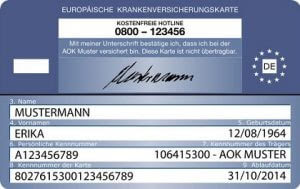
• EU citizens have access to healthcare in other EU countries through the European Health Insurance Card (EHIC).
• The EU has one single official currency: the euro.
• EU citizens are allowed to work and live in any other EU country.
La creación de la UE
EU INSTITUTIONS
The European Parliament is made up of Members of the European Parliament (MEPs) from all the EU member countries. The MEPs are elected every four years by the citizens of the EU. The Parliament is responsible for making EU laws and approving the budget.
The Council of the European Union is made up of government ministers from the member countries of the EU. Every six months one of the EU countries presides over the Council.
It is responsible for EU foreign affairs, defence and security. The European Parliament and the Council of Europe form the legislative branch of the EU.
The European Commission is made up of one commissioner from each member country, and the president of the commission, who is nominated by the leaders of EU countries and elected by the European Parliament. The Commission is the executive branch of the EU.
The Court of Justice of the European Union is the judicial branch of the EU and makes sure that EU laws are applied throughout the EU. It is made up of one judge from every member country.
EU CITIZEN'S RIGHTS
2013 was the European Year of Citizens. It aimed to raise awareness about the rights that come with European citizenship.
• All EU citizens have the right to live, study and work in any EU country.
• All EU citizens over eighteen can vote in local elections and European elections in the EU country they live in. They can also stand as candidates in these elections.
• All EU citizens must be treated equally in any EU country and everyone’s differences must be respected.
The Charter of Fundamental Rights of the European Union also includes children’s rights.
1 Children have the right to protection. They can express their opinions freely. Their opinions will be considered depending on their age and maturity.
2 When public authorities and private institutions deal with children, they should act in the child’s best interests.
3 All children have the right to maintain a relationship with both their parents, unless it would be unsafe.
THE EUROZONE
The eurozone covers the EU countries that use the euro as their official currency. Most EU countries have replaced their old national currencies with the euro, but others, like Sweden, the United Kingdom and Denmark, still use their own currency. The peseta was Spain’s currency before the euro. Most EU contries adopted the euro as the single currency in 2002.
Spain’s Constitution, its Head of State and Central Government
The Spanish Constitution is the supreme law that establishes all citizens’ rights and responsibilities. On the 6th of December, 1978 there was a referendum about the Constitution. Spanish citizens over the age of eighteen voted in favour of the current Constitution.
This Constitution defines Spain as a democratic state, and a constitutional monarchy. The Constitution states that sovereignty, or power, belongs to the people. It also establishes the State’s institutions: the Head of State, the Central Government, the Parliament and the Courts of Law.
The Spanish state is a monarchy, so the head of state is the monarch. The monarch’s main function is to represent Spain as Head of State, sanction laws and act as commander-in-chief of the Armed Forces.
In June of 2014, King Juan Carlos I abdicated in favour of his son, Crown Prince Felipe, who was proclaimed King Felipe VI by the Parliament.
The Central Government is the executive power. It is responsible for running the State. Its mission is to enforce laws, defend the State and manage public affairs. The Government is formed by the president and the ministers.
The President is chosen by the Congress of Deputies and named by the monarch. He or she is in charge of the government’s administration and coordination.
The ministers are proposed by the president and named by the monarch. They are responsible for the ministries, like foreign affairs and the economy.
What are the Parliament and the Courts of Law?
The Parliament is the legislative power and it has two chambers: the Congress of Deputies (350 Deputies) and the Senate (266 Senators). The Parliament is responsible for making and approving laws and supervising the government.
Spanish citizens over the age of eighteen vote for the members of the two chambers in elections held every four years.
The Courts of Law are the judicial power. They are in charge of enforcing laws and resolving disputes. They can impose sanctions on people who break the law. They are made up of independent magistrates and judges. The Supreme Court and the Constitutional Court are the main Courts of Law in Spain.
A city council is made up of the mayor and the councillors. The municipal population elects councillors in municipal elections held every four years.
The councillors elect the mayor. Together they govern the municipality and organise public services, like rubbish collection, local police and municipal transport. Important issues that affect the municipality are discussed in city council meetings.
The Statute of Autonomy is the most important law in an autonomous community, together with the Constitution. It establishes the specific laws for governing each autonomous community, related to:
• The rights and responsibilities of its citizens.
• Its government institutions.
• Its name and territory.
• Its capital city and symbols (anthem, flag and coat of arms).
What are the three government institutions?
The autonomous parliament represents the citizens in an autonomous community. Spanish citizens living in the autonomous community elect the members of the parliament every four years. It is responsible for debating and passing autonomous laws, approving the budget for the community and supervising the government of the autonomous community.
The government council is made up of the president of the autonomous community and the councillors who administer the different departments. These departments include education, transport, health, housing and the environment.
The president is chosen by the autonomous parliament and named by the monarch. The councillors are chosen by the president.
The High Court of Justice is the highest judicial power in a community. Only the Supreme Court and Constitutional Court are higher judicial bodies.
Each autonomous community has a government delegate, responsible for coordinating with central Government.