lunes, 27 de noviembre de 2017


THE ATMOSPHERE

The atmosphere is around the Earth. It's like an invisible blanket! The atmosphere makes life on Earth possible. It contains the gases living things need to survive.


SPANISH: La atmósfera se encuentra alrededor de la Tierra. ¡Es como una manta invisible! La atmósfera hace que la vida en la Tierra sea posible. Contiene gases que los seres vivos necesitan para sobrevivir.

The atmosphere also protects the Earth from extreme temperatures. During the day it's not too hot because the atmosphere filters the Sun's rays. At night it's not too cold because the atmosphere stop heat from scaping.

SPANISH: La atmósfera también protege la Tierra de temperaturas extremas. Durante el día no hace demasiado calor debido a que la atmósfera filtra los rayos del Sol. Por la noche no hace tanto frío debdo a que la atmósfera impide que el calor escape.
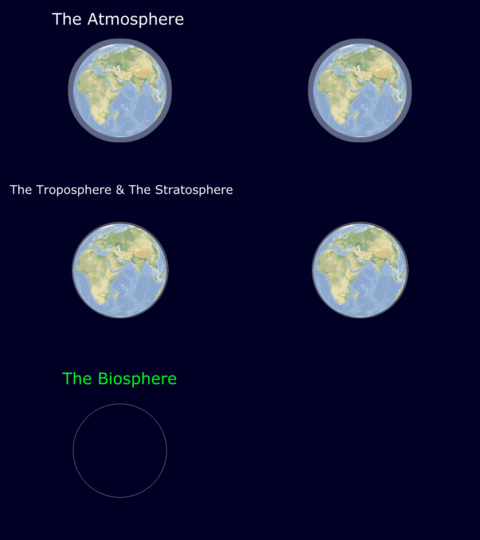


The atmosphere has three main layers: troposphere, stratosphere and ionosphere.
SPANISH: la atmósfera tiene tres capas principalmente: la troposfera, la estratosfera y la ionosfera.

TROPOSPHERE/TROPOSFERA

The troposphere is just above the Earth's surface. The weather occurs there.
SPANISH: La troposfera se encuentra justo encima de la superficie de la Tierra. El tiempo atmosférico ocurre aquí.


STRATOSPHERE/ESTRATOSFERA

The stratosphere contains the ozone layer, which protects us from the Sun's rays. Jet planes fly there too.
SPANISH: la estratosfera contiene la capa de ozono, la cual nos protege de los rayos del Sol. Los aviones a reacción vuelan en esta capa.

Stratosphere and troposphere


IONOSPHERE/IONOSFERA

The ionosphere has very little air. Satellites and spacecraft move around there.
SPANISH: la ionosfera tiene muy poco aire. Los satélites y las naves espaciales se mueven aquí.
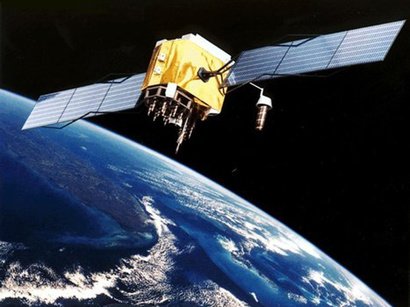

Las tres capas (LA MESOSPHERE/MESOSFERA LA ESTUDIARÉIS OTRO AÑO)


RESUMEN Y ESQUEMAS

Three main layers


JUEGA EN INGLÉS


jueves, 23 de noviembre de 2017

MY CITY


There are a lots of places and things to do in a city.
Hay muchos lugares y cosas que hacer en una ciudad.

SCHOOL/COLEGIO


LIBRARY/BIBLIOTECA


BAKERY/PANADERÍA


RESTAURANT/RESTAURANTE


PARK/PARQUE


BANK/BANCO


CHEMIST/FARMACIA


BUTCHER/CARNICERÍA


CITY AND VILLAGE (CIUDAD Y PUEBLO)

CITY/CIUDAD


VILLAGE/PUEBLO


JUEGA EN INGLÉS

JUEGA EN ESPAÑOL


lunes, 20 de noviembre de 2017

CURIOSIDADES SOBRE LOS ANIMALES 


¡Buenas tardes a todos chicos y chicas de 3º! Os dejo unos vídeos sobre animales:

- El primero, lo hemos visto en clase, es sobre cómo ven el mundo los animales.
- Los otros dos nos muestran cuánto viven los animales y el TOP 10 de los más longevos (no olvidéis que la Medusa Inmortal ( nombre científico: turritopsis nutricula) es el único ser vivo que aunque no puede morir biológicamente, puede fallecer por enfermedad o siendo devorada).


CÓMO VEN LOS ANIMALES EL MUNDO/HOW ANIMALS SEE THE WORLD


HOW LONG DO ANIMALS LIVE


TOP TEN LONGEST LIVING ANIMALS


Mucha suerte para el examen de esta semana sobre este tema. No tengo duda de que sacaréis muy buena nota. No dejéis nunca de confiad en vosotros mismos y en vuestras infinitas capacidades. Creo en vosotros.

Me despido con vuestros animales favoritos de los vistos en clase: el animal  más feo del mundo (Blobfish/Pez gota) y el perro más guapo del mundo (Boo the dog).


GOOD BYE


BYE BYE


miércoles, 15 de noviembre de 2017


INVERTEBRATE GROUPS


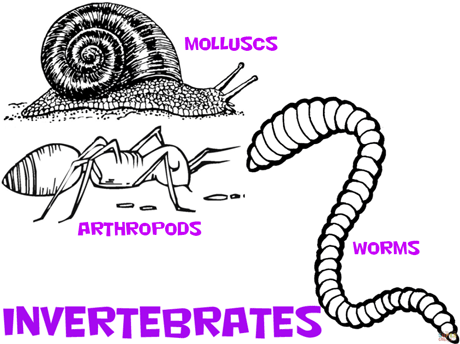
Most animals on Earth are invertebrates. There are many different groups of invertebrates. Some invertebrates, such us jellyfish, live in water. Others, such us earthworms, live on land. Some, such as mosquitoes, can fly. Here are three groups of invertebrates.

SPANISH: La mayoría de los animales de la Tierra son invertebrados. Hay muchos grupos diferentes de invertebrados. Algunos de ellos, como la medusa, vive en el agua. Otros como las lombrices, viven en la tierra. Algunos, como los mosquitos, pueden volar. Diferenciamos tres grupos de invertebrados.


MOLLUSCS (MOLUSCOS)

Molluscs have a soft, muscular body. Many molluscs live in the sea. Mussels and oyster are molluscs.

SPANISH: Los moluscos tienen un cuerpo blando y musculoso. La mayoría viven en el mar. Los mejillones y las ostras son moluscos.

Snails are molluscs
Octopuses are molluscs
Molluscs


ARTHROPODS


The biggest group of invertebrates is the arthropods. Their bodies have three parts: the head, thorax and abdomen. Many of them have antennae and some have wings too. Insects (beetles and bees) are arthropods. Spiders and scorpions are arthropods too. Some arthropods, such as insects, have six legs. Others, such as spiders, have eight legs. There are even arthropods with more than a hundred legs!

SPANISH: los artrópodos son el grupo más numeroso de los vertebrados. Su cuerpo tiene tres partes: cabeza, tórax y abdomen. Mucho de ellos tienen antenas y algunos tienen alas. Los insectos (escarabajos y abejas) son artrópodos. Las arañas y los escorpiones también son artrópodos. Algunos artrópodos, como los insectos, tienen seis patas. Otros, como las arañas, tienen ocho patas. Hay incluso artrópodos con más de cien patas.

Body parts.

Scorpions are arthropods
A butterfly is an arthropod
A millipede is an arthropod

Clasificación de los artrópodos

WORMS (GUSANOS)

Worms have a long soft body. Some live on lands and others live in water. Some worms are parasites, for example, leeches and flatworms. They live inside, or on the skin of, another animal and feed on them.

SPANISH: Los gusanos tienen un cuerpo largo y blando. Algunos viven en tierra y otros en agua. Algunos gusanos son parásitos, como las sanguijuelas o los platelmintos. Ellos viven dentro, o en la piel, de otro animal y se alimentan de este. 

A earthworm is a worm

A leech is a worm


TIME TO PLAY


BYE BYE