jueves, 5 de noviembre de 2020

LA PRUEBA DE LA RESTA


Practica la suma y la resta


LIVING ORGANISMS AND CELLS

What are living organisms?  


Living organisms are made up of cells. Living organisms carry out the vital functions: nutrition,interaction and reproduction. This is what differentiates living organisms from non-living things. 


Nutrition


Interaction
Reproduction


What are cells?

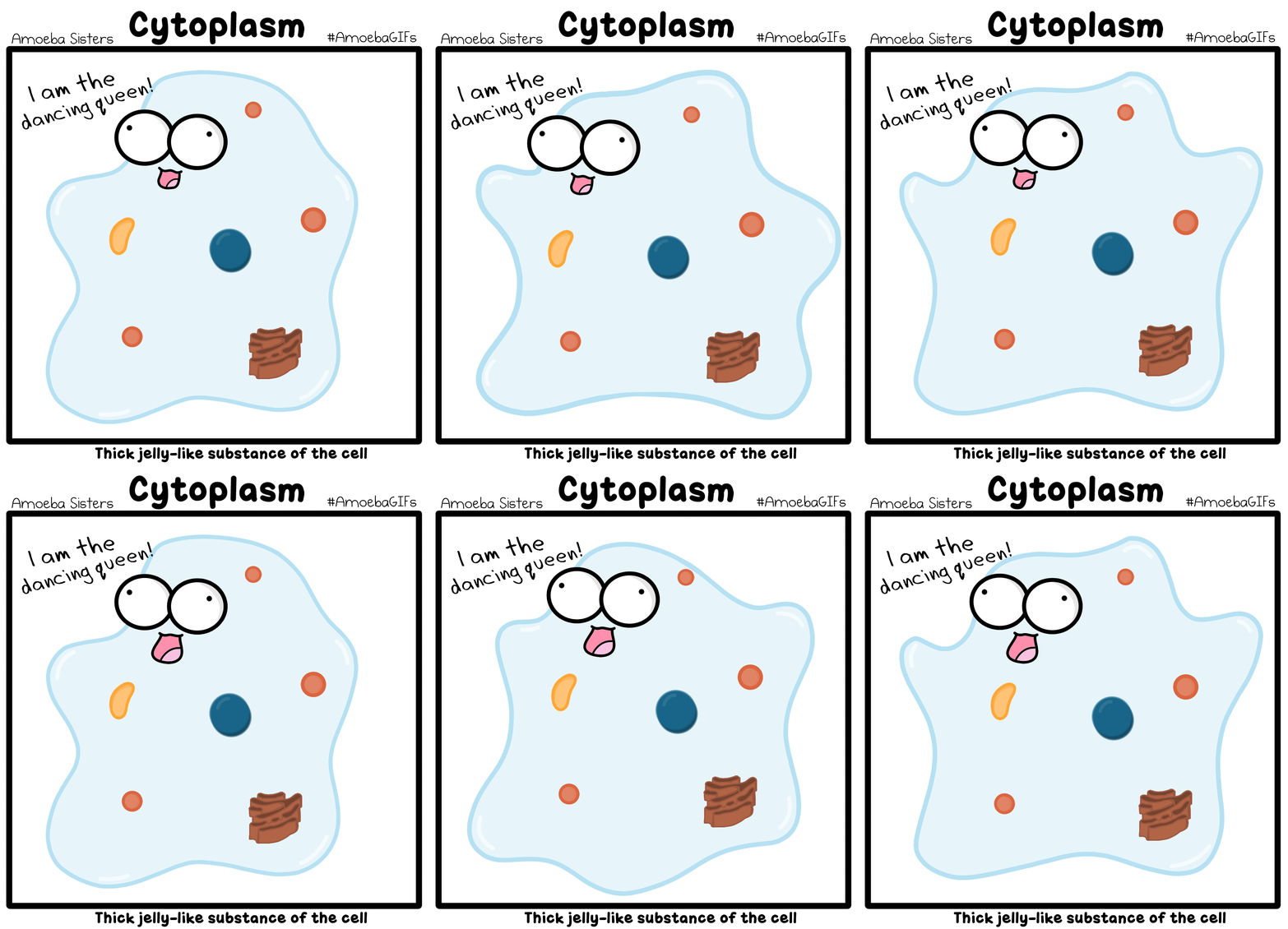
Cells are the smallest living parts of living organisms. They carry out the vital functions of nutrition, interaction and reproduction as well. All cells have three parts: a cell membrane, cytoplasm and genetic material. Genetic material controls the function of the cell. Cytoplasm is a gel inside the cell. The cell membrane is a thin, flexible cover surrounding the cell. It regulates the exchanges of substances between the cell and the exterior.


Cell membrane
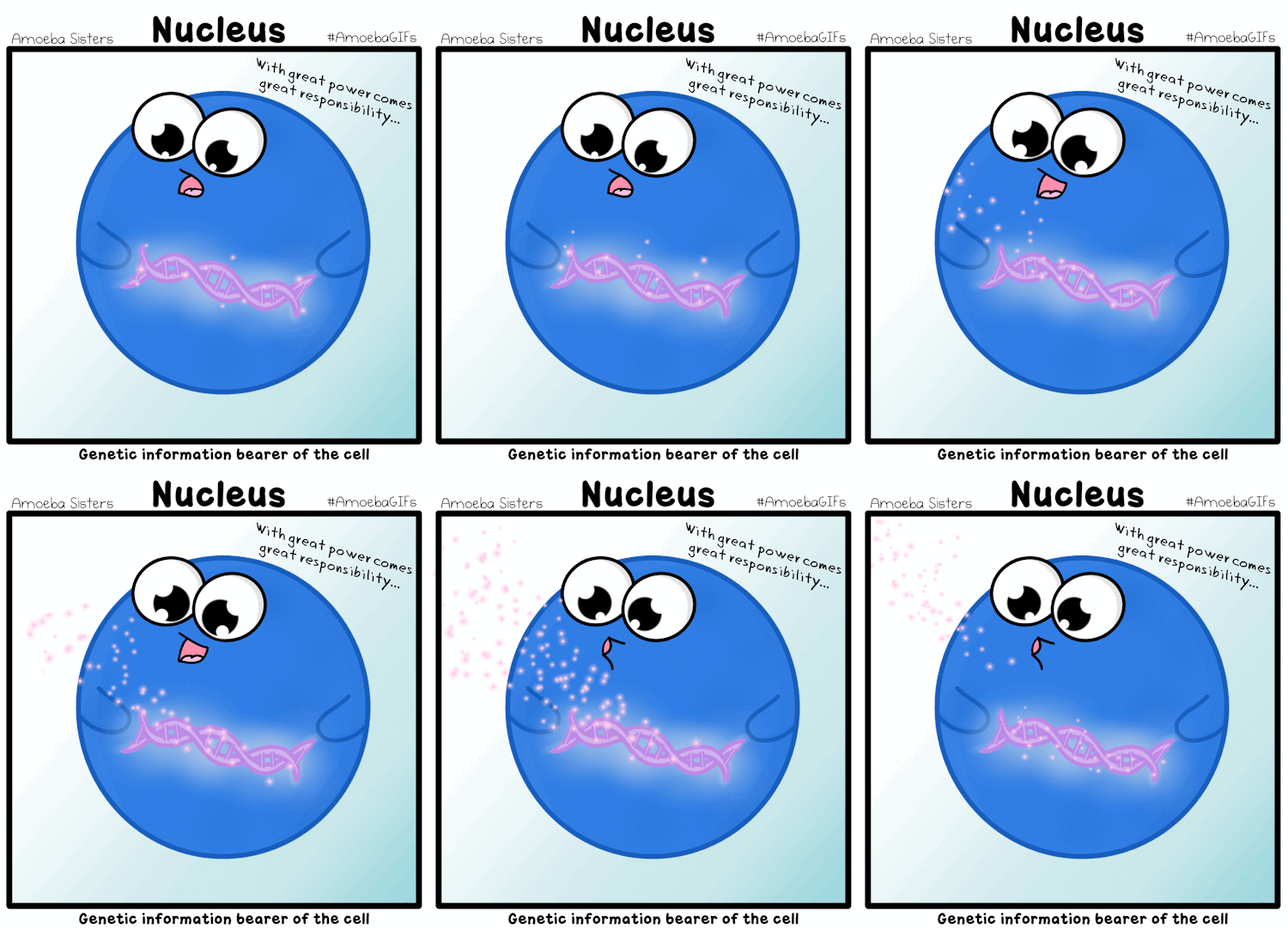
Nucleus

Cytoplasm


What are the different types of cells?


Different types of living organisms have different types of cells. There are two main types of cells. 

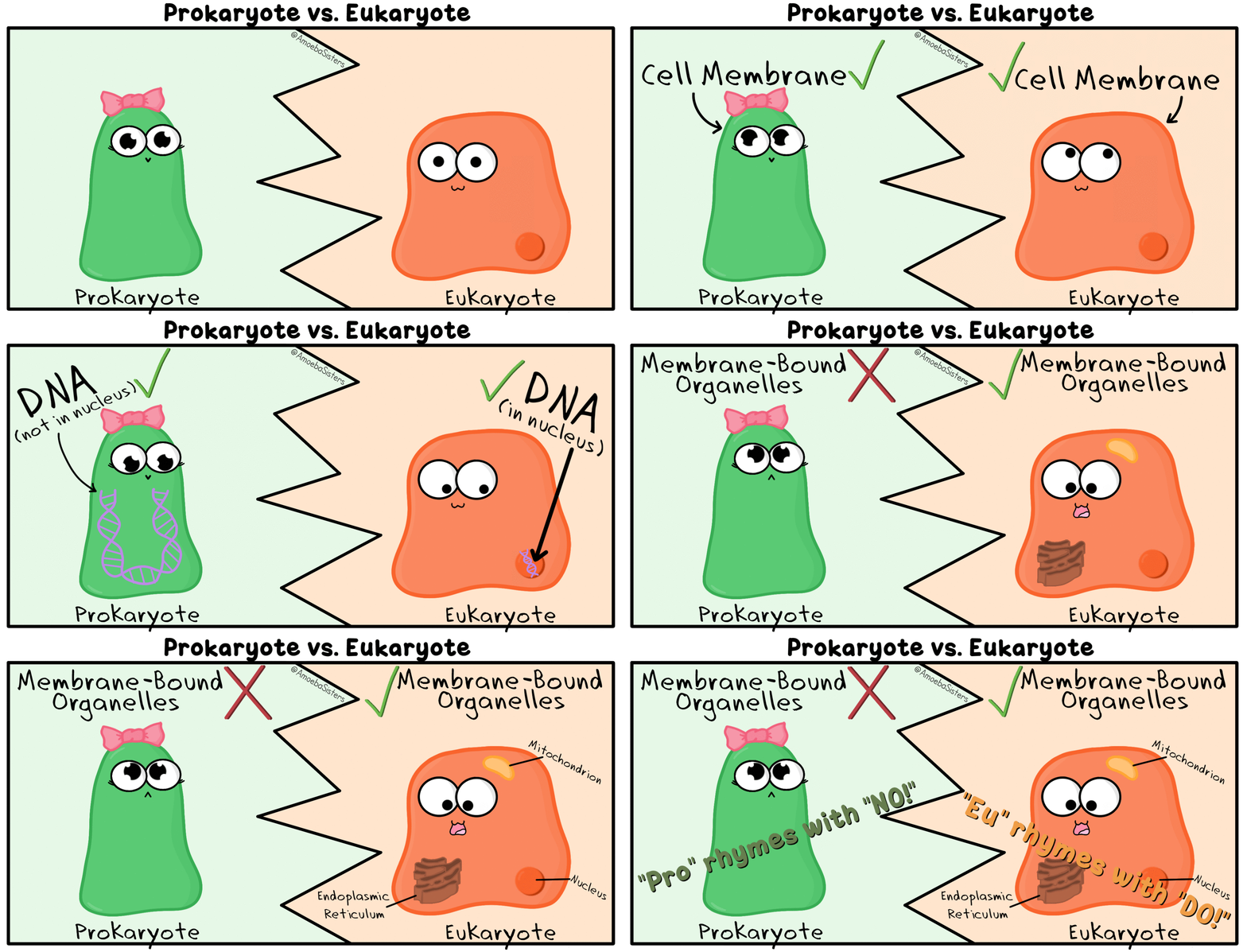
• Prokaryotic cells have the genetic material within a certain area of the cytoplasm. They don’t have a nucleus. Prokaryotic cells have a rigid cell wall surrounding the cell membrane. They often have flagella to help them move. 

• Eukaryotic cells have the genetic material inside a nucleus. They have many different types of organelles. Organelles perform different functions, like the organs in the body. Some of these cells have a rigid cell wall surrounding the cell membrane and others don’t.


OUTLINE (STUDY)


THE CELL (ENGLISH)

LA CÉLULA (ESPAÑOL)


LA CÉLULA: ESTRUCTURA Y FUNCIONES

THE CELL: STRUCTURE, FUNCTIONS

LAS CÉLULAS EUCARIOTAS

LAS CÉLULAS PROCARIOTAS

THE HUMAN CELL


THE CELL STRUCTURE

INSIDE THE LIVING CELL


TIME TO PLAY


características esenciales:
• Todos los seres vivos están formados por células.
• Los seres vivos realizan las funciones vitales de nutri-
ción, relación y reproducción
características esenciales:
• Todos los seres vivos están formados por células.
• Los seres vivos realizan las funciones vitales de nutri-
ción, relación y reproducción.

sábado, 31 de octubre de 2020


El Halloween, también conocido como el Día de Brujas, es una celebración popular de culto a los muertos tradicional de los países anglosajones.

La palabra Halloween, como tal, procede de la expresión inglesa All Hallow’s Eve, que significa “Víspera de Todos los Muertos”.

La fiesta de Halloween es celebrada durante la noche del 31 de octubre, víspera del Día de Todos los Santos, feriado religioso en algunos países.

El Halloween tiene su origen en Irlanda, en los ritos de los celtas del fin de la temporada de cosechas. De allí pasó al Reino Unido, desde Europa se trasladó la celebración a Estados Unidos, y desde entonces se ha ido popularizando en todo el mundo.

En el pequecole hemos trabajado Halloween de muchas formas. A continuación os mostramos muchas de las pequecosas que hemos hecho como los pequecómics y los pequemonstruos de Lengua, las pequemanualidades y algunos juegos que hemos podido probar. PUEDES LEER LOS CÓMICS DESDE SCRIBD O DESDE CALAMEO. UTILIZA LA QUE MÁS TE PEQUEGUSTE.

NUESTROS PEQUECÓMICS DE HALLOWEEN


PEQUEMONSTRUOS DE HALLOWEEN DE 3º


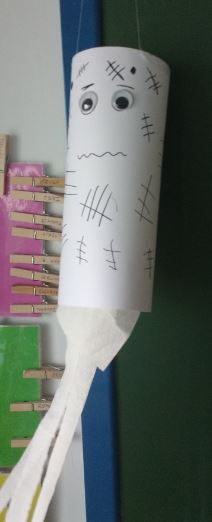
PEQUEMANUALIDADES


Pequeleto, por Valentina


PEQUEJUEGOS DE HALLOWEEN 


PEQUEPASAPALABRA DE HALLOWEEN

PEQUEACTIVIDADES

Recortable de La Parca

Pequecoco

Paper Doll de la Pequevampiresa