martes, 20 de abril de 2021

Characteristics of plants

 What do all plants have in common?


• They generally have green leaves.


• They are fixed in one place. They don’t move around.


• They don’t have sense organs.


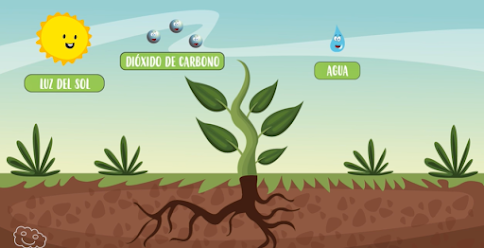
• They use sunlight to transform carbon dioxide and water into nutrients. This process is called photosynthesis.


What are the main parts of a plant?


• The roots grow underground. They absorb water and minerals from the soil.


• The stem is usually long and grows above the ground. It often has branches growing from it. The plant’s nutrients circulate inside the stem and branches.


Woody stem


• The leaves grow from the plant’s branches. They use sunlight and absorb carbon dioxide to make the plant’s nutrients through photosynthesis. Oxygen is released through the leaves.


What are the three types of plants?


Trees are large plants. They have a thick, hard stem called a trunk. Branches grow out of the trunk.


Bushes are smaller than trees. They often have more than one stem growing from the roots. The stems are usually hard and thin.


Grasses have thin, flexible stems.


OUTLINE

VOCABULARY


TIME TO PLAY!


PARA SABER MÁS SOBRE LAS PLANTAS


EXPERIMENTO FOTOTROPISMO


LENTEJAS MÁGICAS
CLOROFILA

FOTOSÍNTESIS


CREA UN ALBUM DE HOJAS


CULTIVA


CÓMO HACER UN HERBARIO


jueves, 15 de abril de 2021

DIMINUTIVOS Y AUMENTATIVOS


The excretory system

 What body organs form the excretory system?


Waste substances produced by cells need to be eliminated from the blood. Carbon dioxide is released through the respiratory system. Other types of waste substances are eliminated in urine.

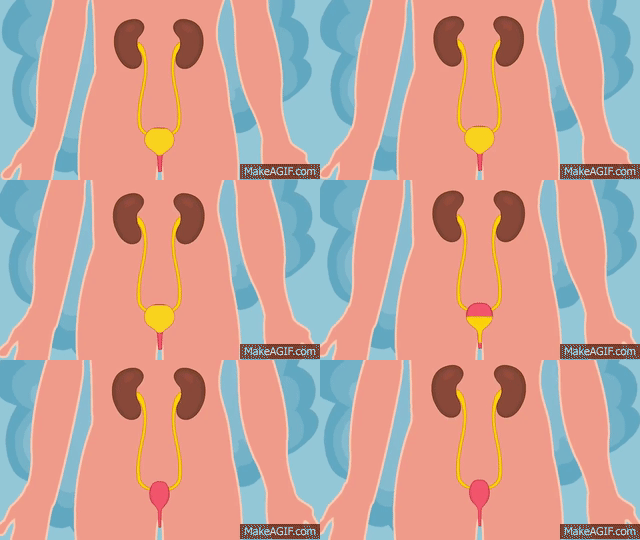
The kidneys are the main organs responsible for removing waste substances from the blood. The kidneys are connected to the urinary tract by two tubes called ureters. The ureters connect to the bladder, which has a small tube at its base called the urethra.


How are waste substances eliminated?


Renal arteries carry waste substances in the blood to the kidneys. Inside the kidneys, tiny tubes filter the blood. Waste substances are removed and clean blood enters the renal vein.


Waste substances mix with water inside the kidneys to become urine. The urine passes down the ureters into the bladder. Once the bladder is full, we expel urine from the body through the urethra.


What are the sweat glands?

The sweat glands play an important role in regulating the temperature of the body. When sweat evaporates from our skin, we cool down.

Thousands of sweat glands are located under our skin. There are more under our armpits and on the soles of our feet.

Sweat glands also play a role in excretion.

• They filter out the waste substances that have collected in the blood.

• The waste substances are mixed with water to form sweat.

• The sweat is released through the pores in the skin.


VOCABULARY

Urine: orina
Kidneys: riñones
Ureters: uréteres
Bladder: vejiga urinaria
Urethra: uretra
Renal arteries: arterias renales
Renal vein: vena renal
Sweat: sudar
Sweat glands: glándulas sudoríparas