martes, 13 de noviembre de 2018

TOUCH, SMELL AND TASTE

The sense of touch


You use your sense of touch to identify characteristics of objects. Using touch, you can tell if an object is rough or smooth, or hot or cold. Touch also helps you to distinguish between agreeable and painful sensations.
SPANISH: Utilizas tu sentido del tacto para identificar las características de los objetos. Usando el tacto, puedes saber si un objeto es liso o rugoso o si está frío o caliente. También nos ayuda a distinguir entre sensaciones agradables dolorosas.

The skin is the sense organ of touch.
SPANISH: La piel es el órgano del tacto.


Your whole body is covered with skin. Touch receptors in your skin send information to the brain. Your fingertips and lips are very sensitive parts of the skin because they have more touch receptors.
SPANISH: Todo nuestro cuerpo está cubierto de piel. Los receptores del tacto de la piel envían información al cerebro. Las yemas de los dedos o los labios son zonas más sensibles y tienen más desarrollado este sentido debido a que tienen más receptores del tacto.


The sense of smell

You use your sense of smell to distinguish smells. The nose is the sense organ of smell.
SPANISH: Utilizas el sentido del olfato para distinguir olores. La nariz es el órgano del olfato.


Smells travel through the air. They enter the nose through two holes called nostrils and reach the olfactory epithelium inside the nasal cavity.
Smell receptor in the epithelium send signals to the brain through the olfactory nerve.
SPANISH: Los olores viajan a través del aire. Cuando respiramos entran en la nariz por dos agujeros llamados orificios nasales y llegan a las fosas nasales. Allí está la pituitaria amarilla, que es la encargada de captar los olores.
La información que recibe el sentido del olfato llega al cerebro a través del nervio olfativo.


The sense of taste

You use your sense of taste to capture different flavours of foods.
SPANISH: Utilizas el sentido del gusto para detectar los diferentes sabores de los alimentos.


The tongue is the main sense organ of taste. It is covered with small bumps called taste buds. These taste buds capture different types of flavours.
SPANISH: La lengua es el principal órgano del gusto. Está cubierto por unos pequeños abultamientos llamados papilas gustativas. Las papilas gustativas detectan los diferentes tipos de sabores.


You can distinguish five basic flavouts: sweet, salty, sour, bitter and umami. Umami is difficult to recognize. It is found in red meat, strong cheeses and soy sauce.
SPANISH: Puedes distinguir cinco sabores básicos: dulce, salado, ácido, amargo y umami. El sabor umami es el más difícil de reconocer. Lo encontramos en la carne roja, el queso fuerte y la salsa de soja.


All other flavours are a combination of these five basic flavours. Information from your sense of taste reaches the brain through your nerves.
SPANISH: Los demás sabores que captamos son combinaciones de estos cinco. La información del sentido del gusto llega al cerebro por varios nervios.


OUTLINES/ESQUEMAS (ESQUEMAS)


Wordlist
Touch: Tacto.
Smell: Olfato.
Taste: Gusto
Skin: Piel
Touch receptors: Receptores del tacto.
Nerve: Nervio.
Nose: Nariz.
Nostrils: Orificios nasales.
Olfactory epithelium: Pituitaria amarilla.
Nasal cavity: Fosas nasales.
Olfactory nerve: Nervio olfativo.
Flavours: Sabores.
Tongue: Lengua.
Taste buds: Papilas gustativas.
Sweet: Dulce.
Salty: Salado.
Sour: Ácido.
Bitter: Amargo.
Umami: Umami.


TIME TO PLAY!
El olfato
El gusto
El tacto
Los sentidos
La piel
Los 5 sentidos
Órganos de los sentidos
El sentido del gusto
Olfato, gusto y tacto
Los órganos de los sentidos II


PARA APRENDER MÁS

TOUCH


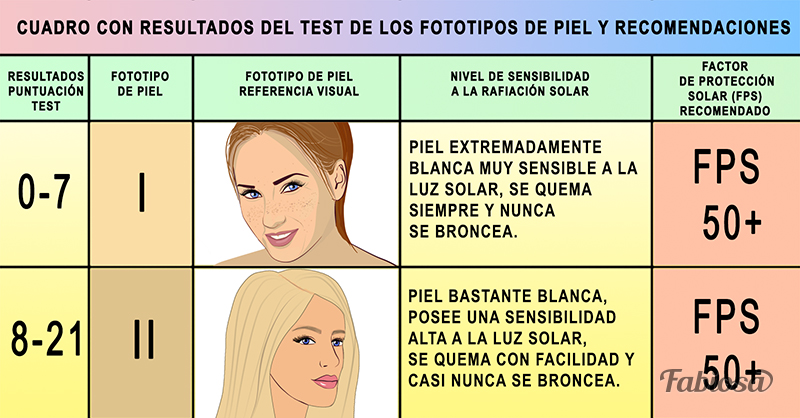
TIPOS DE PIEL Y PROTECCIÓN SOLAR (EN LA PLAYA Y HORAS DE SOL)


SMELL


TASTE


viernes, 9 de noviembre de 2018

THE SENSE OF HEARING

You use your sense of hearing to distinguish different sounds: loud or soft, high or low. Hering helps you to decide where a sound comes from.
SPANISH: Usas to sentido del oído para escuchar diferentes sonidos: ruidoso y suave, alto o bajo. El oído nos ayuda a decidir de dónde procede un sonido.


The ears

The ears are the sense organs of hearing. They have got three parts: the outer ear, the middle ear and the inner ear. 
SPANISH: Las orejas son el órgano sensorial del oído. Tienen tres partes: el óido externo, el oído medio y el oído interno.


The pinna is the outer ear, it captures the sound. Then the sound travel through the ear cannal to the eardrum. The eardrum vibrates with the sound. The eardrum is connected to the small bones. These bones moves when the eardrum vibrates. The auditory nerve takes information to the brain.
SPANISH: La oreja está en el oído externo, esta captura el sonido. Luego, el sonido viaja a través del canal auditivo al tímpano. El tímpano vibra con el sonido. El tímpano está conectado con la cadena de huesecillos. Estos huesecillos se mueven cuando el tímpano vibra. El nervio auditivo envía información al cerebro.


Eardrum vibrating


ESQUEMAS/OUTLINES

Wordlist:
- Hearing: oído.
- Sounds: sonidos.
- Ears: orejas.
- Outer ear: oído externo.
- Middle ear: oído medio.
- Inner ear: oído interno.
- Pinna: oreja.
- Ear canal: canal auditivo.
- Eardrum: tímpano.
- Small bones: cadena de huesecillos.
- Cochlea: caracol.
- Auditory nerve: nervio auditivo.


TIME TO PLAY

OUR SENSES: SIGHT AND HEARING

THE SENSE OF SIGHT/EL SENTIDO DE LA VISTA

You use your sense of sight to distinguish the shape and colour of objects. You use also your sight to distinguish the size and distance of objects.
SPANISH: Usamos nuestro sentido de la vista para distinguir la forma y el color de los objetos. También usas tu vista para diferenciar los tamaños y las distancias de objetos.

Sight

Shape

Colour

Size

Distance

In order to see, light must reach the object and your eyes.
SPANISH: Para ver, la luz debe alcanzar a los objetos y a tus ojos.

Natural light

The eyes

The eyes are the sense organs of sight. They are protected by eyelids, the eyelashes and the eyebrows.
SPANISH: Los ojos son los órganos de la vista. Están protegidos por el párpado, las pestañas y las cejas.


Eyelid

Eyelashes

Eyebrow


First the light passes through the cornea. The cornea is transparent. Then, light passes trhough the pupil. The pupil is the hole in the centre of the iris. The iris is a coloured ring. Behind the iris is the lens. It helps the eye of focus.
SPANISH: En primer lugar la luz pasa a través de la córnea. La córnea es transparente. Después la luz pasa a través de la pupila. La pupila es el agujero que se encuentra en el centro del iris.  El  iris es un anillo coloreado. Detrás del iris está el cristalino que ayuda a enfocar lo que vemos.


At the back of the eye, the retina captures the light. The optic nerve takes the information to the brain.
SPANISH: Al final del ojo, la retina captura la luz. El nervio óptico envía información al cerebro.


ESQUEMAS/OUTLINES


WORDLIST
Sight: vista.
Shape: forma.
Colour: color.
Size: tamaño.
Distance: distancia.
Light: luz.
Eyes: ojos.
Eyelid: párpado.
Eyelashes: pestañas.
Eyebrow: cejas.
Iris: iris.
Pupil: pupila.
Cornea: cornea.
Lens: cristalino
Retina: retina.
Optic nerve: nervio óptico.


PARA SABER MÁS...


VISIÓN CON CATARATAS (PROBLEMAS EN EL CRISTALINO)


VISIÓN CON MIOPÍA E HIPERMETROPÍA

Miopía
Error de enfoque del ojo, generalmente debido a que un ojo (el miope), es mas potente de lo habitual. Las imágenes se forman delante de la retina, dificultando la visión de lejos.


Hipermetropía
Error de enfoque del ojo, causado por que un ojo (el hipermétrope), es menos potente de lo habitual. Las imágenes se forman por detrás de la retina en lugar de sobre ella, dificultando la visión de cerca.


TIME TO PLAY