LANDSCAPES
Types of landscapes/Tipos de paisajes


In every landscape, there are natural elements like the shape of the relief, vegetation, rivers and lakes. In some landscapes, there are man-made elements too, like roads, fields and buildings.
SPANISH: En algunos paisajes, hay elementos naturales como la forma del relieve, la vegetación, los ríos y los lagos. En algunos paisajes, también hay elementos artificiales como carreteras, pistas y edificios.
 |
| Vegetation |
 |
| Building |
 |
| Road |
 |
| Lake |
 |
| River |
Landscapes are different because they have different-types of relief features. For example, the relief of a mountain landscape is different to a plains landscape.
SPANISH: Los paisajes son diferentes debido a las características de los diferentes tipos de relieve. Por ejemplo, un paisaje de montaña es diferente de un paisaje de llanura.
 |
| Plain landscape |
 |
| Mountain landscape |
Different landscapes can be identified by the type of relief, type of vegetation, rivers and lakes.
In natural landscapes, there are no man-made elements. Some landscapes are transformed by man-made elements.
SPANISH: Podemos identificar diferentes paisajes por el tipo de relieve, vegetación, ríos y lagos. En los paisajes naturales, no hay elementos artificiales. Algunos paisajes son transformados por los elementos artificiales.
 |
| Transformed landscape |
MAN-MADE LANDSCAPES/PAISAJES ARTIFICIALES
People obtain natural resources from nature, such as minerals, water and wood. To obtain these resources, people dig wells and mines, build dams and roads, and chop down trees. Poeple transform landscapes.
SPANISH: Las personas obtienen recursos naturales de la naturaleza, como minerales, agua y madera. Para obtener estos recursos, la gente cava pozos y minas, construye represas y caminos, y corta árboles. Las personas transforman los paisajes.


Some human activities, such as farming, industry, transport and traffic, can damage landscapes. Landscapes deteriorate because of deforestation, pollution and excessive construction.
SPANISH: Algunas actividades humanas como la ganadería, industria, transporte y tráfico, pueden dañar paisajes. Los paisajes se deterioran debido a la deforestación, contaminación y construcción excesiva.
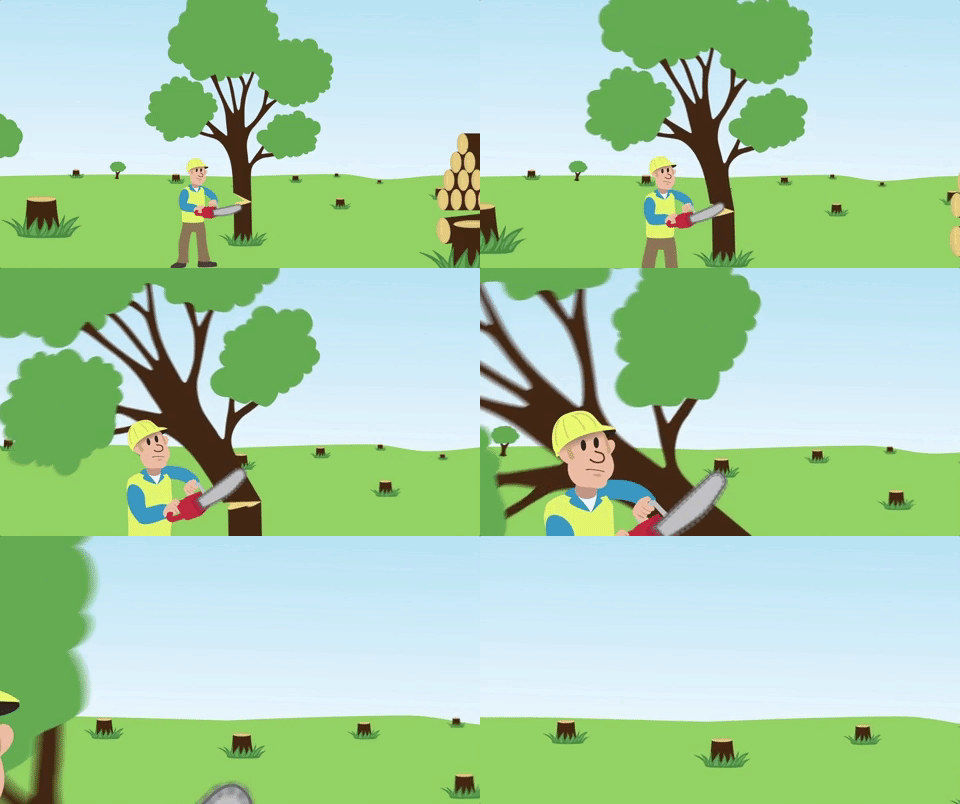
Deforestation is the loss of forests. People cut down trees for wood and to make space for farmland.
SPANISH: La deforestación es la pérdida de bosques. Las personas talan árboles para madera y construir espacios para granjas.

Pollution is the release of harmful substances into the air, water or land.
SPANISH: La contaminación es la expulsión de sustancias dañinas al aire, agua o tierra.


Excessive construction of building and roads can destroy woods and natural spaces.
SPANISH: La excesiva construcción de edificios y carreteras pueden destrozar espacios naturales.


National and local governments pass laws to protect landscapes. Some of these are:
SPANISH: Los gobiernos locales y nacionales aprueban leyes para proteger paisajes. Algunas de estas son.
Water purification systems to clean water of harmful substances.
SPANISH: Sistemas de purificación del agua para limpiar el agua de sustancias dañinas.


Nature Reserves and National Parks to protect certain landscapes.
SPANISH: Reservas naturales y Parques Nacionales para proteger ciertos paisajes.


CONCLUSION/OUTLINES

WORDLIST:
- Landscapes: paisajes.
- Natural elements: elementos naturales.
- Man-made elements: elementos artificiales.
- Vegetation: vegetación.
- Shape of the relief: forma del relieve.
- River: río.
- Lake: lago.
- Buildings: edificios.
- Road: carretera.
- Fields: campos.
TIME TO PLAY
EL PAISAJE
PAISAJE DE COSTA
PAISAJE DE MONTAÑA
PAISAJE DE LLANURA


