miércoles, 14 de noviembre de 2018

DIVISIÓN DE DOS CIFRAS

PASO1

PASO 2

PASO 3

PASO 4

MÁS VÍDEOS


EXPLICACIÓN Y EJERCICIOS


Comenzar la división. Como el divisor tiene dos cifras, seleccionar dos cifras del dividendo, siempre y cuando estas sean mayores que las del dividendo. 


Buscar en la tabla del divisor, el número que se acerque más a las cifras del dividendo seleccionadas sin pasarnos. Y colocar el número correspondiente en el cociente. 


Multiplicar por el cociente. Y restar el resultado a la cantidad seleccionada en el dividendo. 


Bajar la siguiente cifra y buscar en la tabla que habíamos hecho del divisor la cifra más cercana a la cantidad que nos queda, sin pasarnos.  
6. Poner la cifra correspondiente en el cociente, multiplicar de nuevo por el divisor y restar resultado al dividendo.
 

7. Bajar la cifra siguiente y repetir todo el proceso: buscar en la tabla la cantidad, multiplicar y restar. 


PRACTICA LA DIVISIÓN CON DOS CIFRAS


HEALTH

What is health?


Health is a state of complete physical, mental and social well-being.
SPANISH: La salud es un estado de completo bienestar físico, mental y social.

This means that to be healthy, not only our bodies must function well. We must also be in a good mental state, and have good relationships with our family and the people around us.
SPANISH: Esto significa que para estar sano, no solamente nuestro cuerpo debe funcionar bien. Debemos también tener un buen estado mental y tener buenas relaciones con nuestra familia y las personas que nos rodean.

Therefore, health can be classified into physical health, mental health and social health.
SPANISH: Por lo tanto, la salud se puede clasificar en salud física, salud mental y salud social.


Physical Health

Physical health means that our body works well, without pain or any difficulties in our everyday activities. All the processes in our body, such as respiration and digestion, occur normally.
SPANISH: La salud física significa que nuestro cuerpo trabaja bien, sin dolo o alguna dificultar en nuestras habilidades diarias. Todos los procesos en nuestro cuerpo, como la respiración y la digestión ocurre normalmente.


Mental health

Most of us feel many different emotions throughout the day: anger, happiness, sadness, shyness, fear, surprise, love... Mental health means that our emotions are not a problem in our daily activites, and we are happy with ourselves.
SPANISH: La mayoría de nosotros sentimos diferentes emociones a través del día: enfado, felicidad, tristeza, timidez, miedo, sorpresa, amor... La salud mental significa que nuestras emociones no son un problema en nuestra actividad diaria y estamos feliz con nosotros mismos.


Social health

Social health means having good relationships with the people in our family, at school or in our neighbourhood. Conflicts can occur at any time. The most important thing is to resolve them properly.
SPANISH: La salud social significa tener buenas relaciones con las personas de nuestra familia, del colegio o del barrio. Los conflictos pueden ocurrir en cualquier momento. Lo más importante es resolverlas adecuadamente.


Prevention

Prevention refers to doing things that can help to maintain good health and avoid illness.
This includes healthy habits, visiting the doctor for routine check-ups and vaccinations.
SPANISH: La prevención se refiere a hacer cosas que pueden ayudar a mantener una buena salud y evitar enfermedades. Esto incluye hábitos saludables, visitar al doctor para vacunas.


Health care

Whe should go to the doctor when we are ill. The doctor prescribe some medicine or will recommend changes in our habits. A paediatrician is a children's doctor. He or she can also recommend that you visit other medical specialists such as psychologists, speech pathologists, nurses, etc.
SPANISH: Debemos visitar al médico cuando estamos enfermos. El doctor manda medicinas o recomendará cambios en nuestros hábitos. Un pediatra es un médico para niños. Él o ella puede también recomendar que visites a otros especialistas médicos como psicólogos, logopedas, enfermeras, etc.


OUTLINE (STUDY)


WORDLIST:
- Health: salud.
- Physical health: salud física.
- Mental health: salud mental.
- Social health: salud social.
- Well.being: bienestar.
- Prevention: prevención.
- Healthy habits: hábitos saludables.
- Vaccinations: vacunas.
- Paediatrician: pediatra.


TIME TO PLAY


martes, 13 de noviembre de 2018

LOOKING AFTER YOUR SENSES/CUIDANDO NUESTROS SENTIDOS
Contenido a estudiar en español

You use your senses to communicate with the outside world, so you must look after them. There are two basic ways to look after your senses: good hygiene and protection.
SPANISH: Utilizamos nuestros sentidos para relacionarnos con el mundo exterior, por eso debes cuidarlos. Hay dos formas básicas de cuidar tus sentidos: buena higiene y protección.

Looking after your eyes (Cuidando tus ojos)

Follow this advice to look after your eyes:

- Don't touch your eyes with dirty hands. (No tocar tus ojos con las manos sucias).


- Make sure there is enough light when you read or study. (Ten seguridad de que hay suficiente luz cuando vayas a leer o estudiar):


- Don't look directly at the Sun. (No mires directamente al Sol).


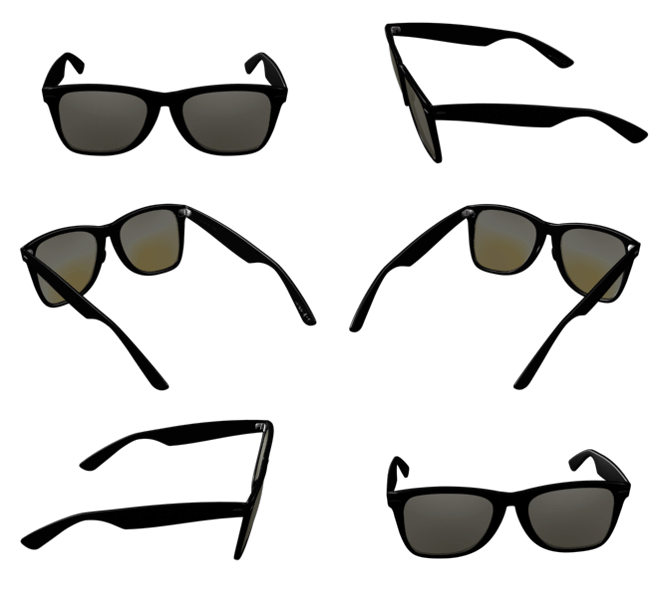
- Protect your eyes with sunglasses in strong sunlight. (Protege tus ojos con gafas de sol en horas de sol).


- Use goggles in the swimming pool. Chlorine in the water can irritate your eyes. (Utiliza gafas de bucear en la piscina. El cloro del agua puede irritar tus ojos).


- Visit your paediatrician for an eye test. (Visita a tu pediatra para un test ocular).


Looking after your ears (Cuidando tus orejas)


Follow this advice to look after your ears: (Sigue estos consejos para cuidar tus orejas).

- Wash your ears dialy in the shower or bath. (Lava diariamente tus orejas en la ducha o en un baño).


- Don't use cotton buds tto dry your ears. These can damage your eardrums. (No utilices bastoncillos de algodón para secar tus orejas. Podrían dañar tu tímpano).


- Don't put objects in your ears. (No pongas objetos dentro de tus orejas).


- Visit your paediatrician if you have earache. (Visita a tu pediatra si tienes dolor de orejas).


- Avoid very noisy places. (Evita lugares ruidosos).


- Keep the volumen low in your headphones. (Pon bajo el volumen de tus auriculares)


In some places, such as airports and cities there is usually a lot of noise. This noise is a type of pollution called noise pollution. Too much noise is bad for your ears and your general health.
SPANISH: En algunos lugares como los aeropuertos y las ciudades normalmente hay mucho ruido. Este ruido es un tipo de contaminación llamada contaminación acústica. Demasiado ruido es malo para tus oídos y para tu salud.


ESQUEMAS (ESTUDIAR)


TIME TO PLAY


GOODBYE!!


TOUCH, SMELL AND TASTE

The sense of touch


You use your sense of touch to identify characteristics of objects. Using touch, you can tell if an object is rough or smooth, or hot or cold. Touch also helps you to distinguish between agreeable and painful sensations.
SPANISH: Utilizas tu sentido del tacto para identificar las características de los objetos. Usando el tacto, puedes saber si un objeto es liso o rugoso o si está frío o caliente. También nos ayuda a distinguir entre sensaciones agradables dolorosas.

The skin is the sense organ of touch.
SPANISH: La piel es el órgano del tacto.


Your whole body is covered with skin. Touch receptors in your skin send information to the brain. Your fingertips and lips are very sensitive parts of the skin because they have more touch receptors.
SPANISH: Todo nuestro cuerpo está cubierto de piel. Los receptores del tacto de la piel envían información al cerebro. Las yemas de los dedos o los labios son zonas más sensibles y tienen más desarrollado este sentido debido a que tienen más receptores del tacto.


The sense of smell

You use your sense of smell to distinguish smells. The nose is the sense organ of smell.
SPANISH: Utilizas el sentido del olfato para distinguir olores. La nariz es el órgano del olfato.


Smells travel through the air. They enter the nose through two holes called nostrils and reach the olfactory epithelium inside the nasal cavity.
Smell receptor in the epithelium send signals to the brain through the olfactory nerve.
SPANISH: Los olores viajan a través del aire. Cuando respiramos entran en la nariz por dos agujeros llamados orificios nasales y llegan a las fosas nasales. Allí está la pituitaria amarilla, que es la encargada de captar los olores.
La información que recibe el sentido del olfato llega al cerebro a través del nervio olfativo.


The sense of taste

You use your sense of taste to capture different flavours of foods.
SPANISH: Utilizas el sentido del gusto para detectar los diferentes sabores de los alimentos.


The tongue is the main sense organ of taste. It is covered with small bumps called taste buds. These taste buds capture different types of flavours.
SPANISH: La lengua es el principal órgano del gusto. Está cubierto por unos pequeños abultamientos llamados papilas gustativas. Las papilas gustativas detectan los diferentes tipos de sabores.


You can distinguish five basic flavouts: sweet, salty, sour, bitter and umami. Umami is difficult to recognize. It is found in red meat, strong cheeses and soy sauce.
SPANISH: Puedes distinguir cinco sabores básicos: dulce, salado, ácido, amargo y umami. El sabor umami es el más difícil de reconocer. Lo encontramos en la carne roja, el queso fuerte y la salsa de soja.


All other flavours are a combination of these five basic flavours. Information from your sense of taste reaches the brain through your nerves.
SPANISH: Los demás sabores que captamos son combinaciones de estos cinco. La información del sentido del gusto llega al cerebro por varios nervios.


OUTLINES/ESQUEMAS (ESQUEMAS)


Wordlist
Touch: Tacto.
Smell: Olfato.
Taste: Gusto
Skin: Piel
Touch receptors: Receptores del tacto.
Nerve: Nervio.
Nose: Nariz.
Nostrils: Orificios nasales.
Olfactory epithelium: Pituitaria amarilla.
Nasal cavity: Fosas nasales.
Olfactory nerve: Nervio olfativo.
Flavours: Sabores.
Tongue: Lengua.
Taste buds: Papilas gustativas.
Sweet: Dulce.
Salty: Salado.
Sour: Ácido.
Bitter: Amargo.
Umami: Umami.


TIME TO PLAY!
El olfato
El gusto
El tacto
Los sentidos
La piel
Los 5 sentidos
Órganos de los sentidos
El sentido del gusto
Olfato, gusto y tacto
Los órganos de los sentidos II


PARA APRENDER MÁS

TOUCH


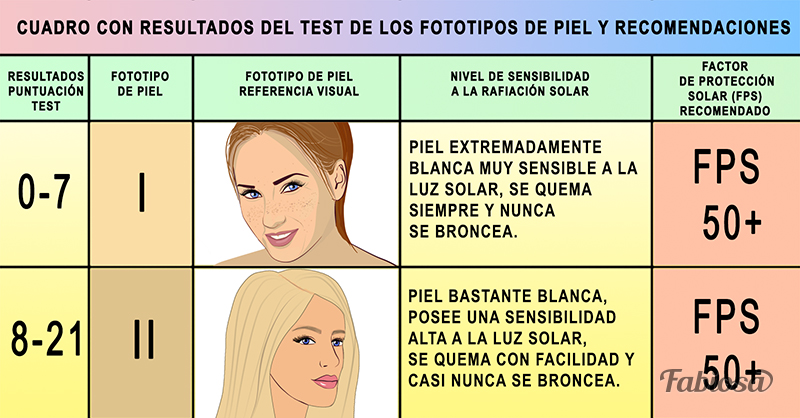
TIPOS DE PIEL Y PROTECCIÓN SOLAR (EN LA PLAYA Y HORAS DE SOL)


SMELL


TASTE